OUR STORY
THE HOUSE BEGINS
THE HOUSE BEGINS
THE HOUSE OF AQA
Every House has a beginning
Ours began with a little girl who
looked at a rose and saw herself.
Every House has a beginning
Ours began with a little girl who
looked at a rose and saw herself.
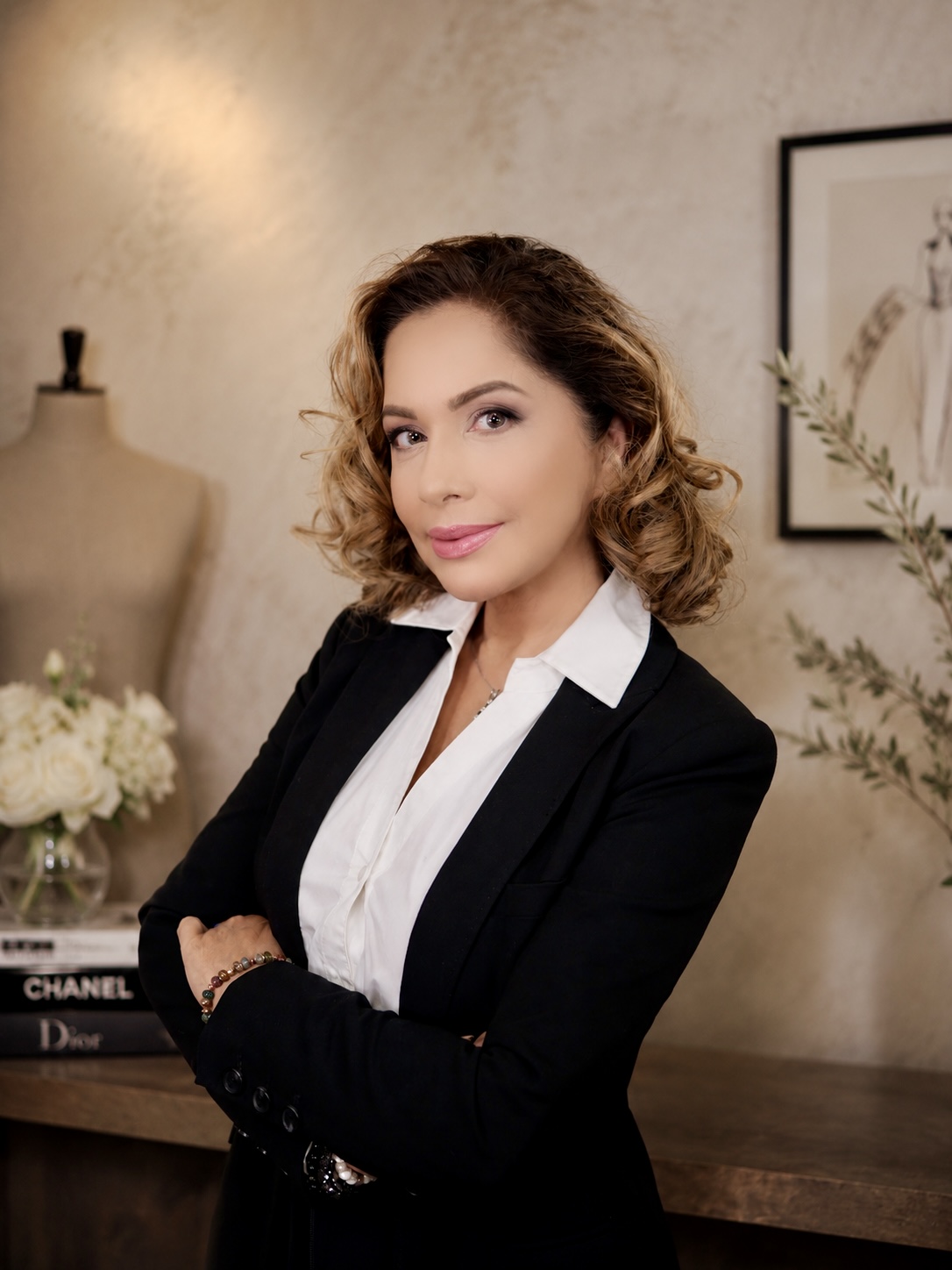
My mother once shared a story with me that has stayed in my heart ever since.
When I was about three or four years old, one of our neighbors lost her eyesight. She asked me, “Alia, what do you look like?”
Without hesitation, I replied, “Have you ever seen a rose? That’s what I look like.”
Looking back, I realize beauty was already the language through which I understood myself.
Perhaps every House begins with a story.
Ours began with a little girl who saw herself in a rose.
I was born in Karachi, Pakistan, where beauty was woven into everyday life through fabric, embroidery, celebration, and the elegance of ordinary moments.
When my family moved to New York, I entered another world shaped by energy, diversity, and possibility.
Over time, I understood these worlds were never meant to compete. Together, they shaped my creative perspective, bringing heritage and modernity into conversation.
I was never choosing between two worlds.
I was learning how to honor them both.
Some passions are discovered. Others simply reveal themselves.
Long before I entered a design studio, I was already drawing. As a young girl, I spent hours sketching fashion illustrations and recreating advertisements from the Sunday New York Times.
My mother was a gifted seamstress, and I would often ask her to bring my sketches to life. Even then, I was drawn to creating something different, something that expressed individuality rather than convention.
Creating was where I felt most at home.
When I later studied at the Fashion Institute of Technology in New York, I found the discipline and language to express what had always been instinctive.
Design became more than a profession. It became my way of seeing the world.
Looking back, I wasn't searching for my calling. I was simply following something that had always been part of me.
There comes a moment when an idea asks to become real.
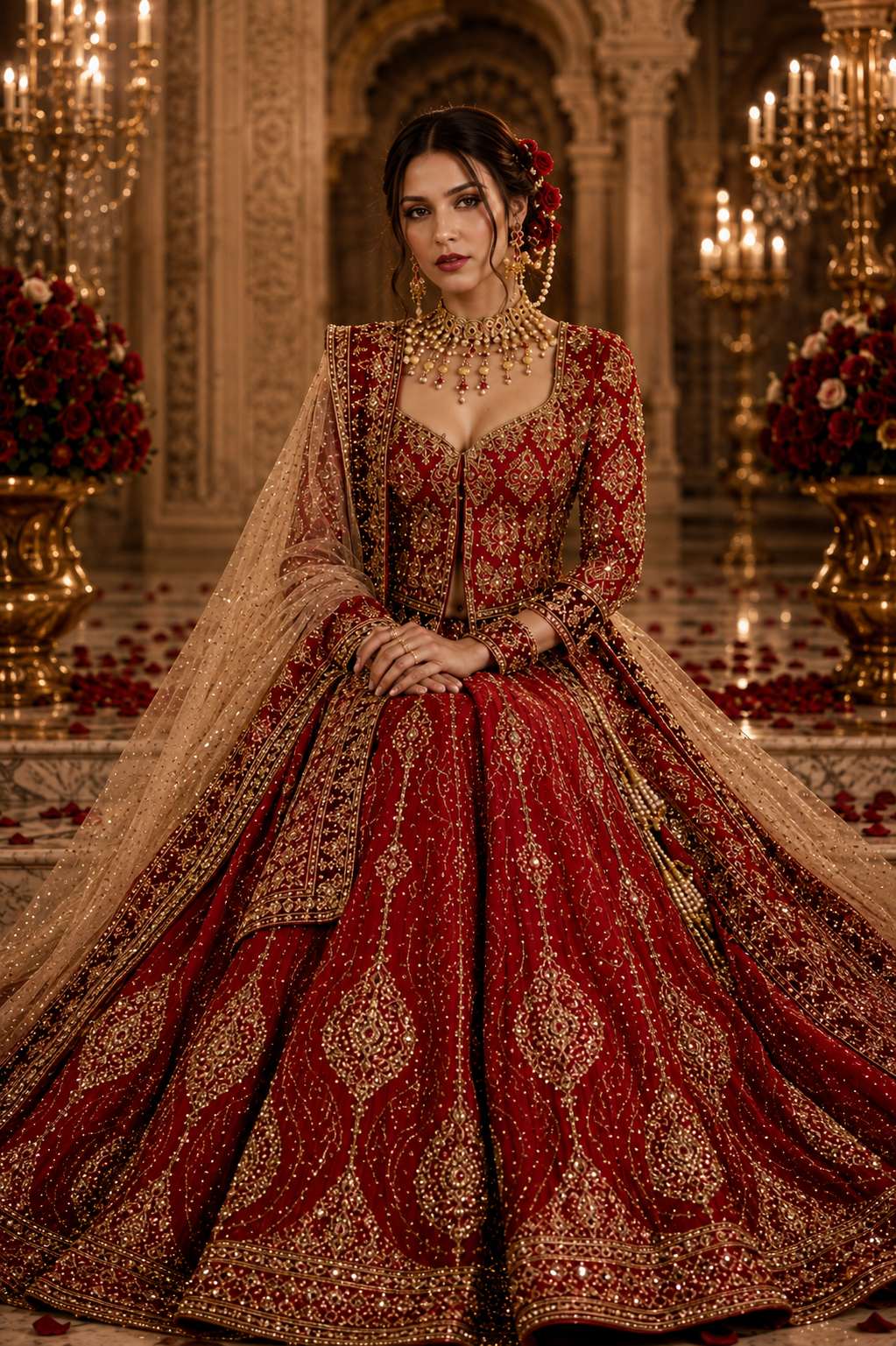
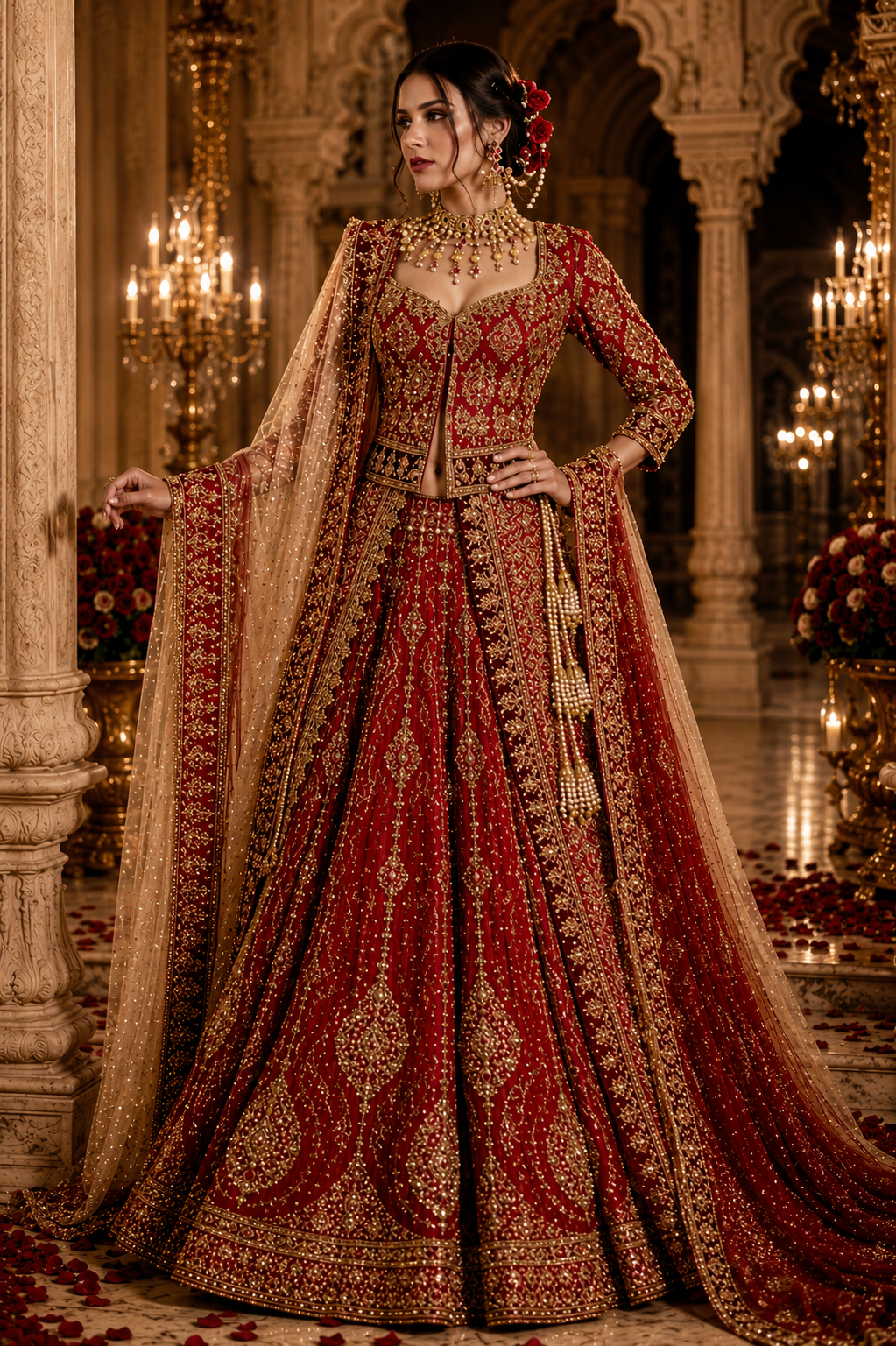
What began as sketches and instinct took form through fabric, silhouette, and craftsmanship. I began designing and creating my own collections, bringing together South Asian artistry with a modern design sensibility.
Each piece became an exploration of proportion, embroidery, color, and movement. Every collection was an opportunity to develop my own design language, one that celebrated heritage while embracing individuality.
I wasn't interested in simply preserving tradition. I wanted to understand its language and reinterpret it through my own perspective.
This was the beginning of the House taking form.
For years, the work continued quietly.
Each collection refined my craft and deepened my understanding of construction, proportion, and detail.
During this chapter of my career, I was professionally known as Alia Khan, the name under which my earlier collections and runway presentations were introduced.
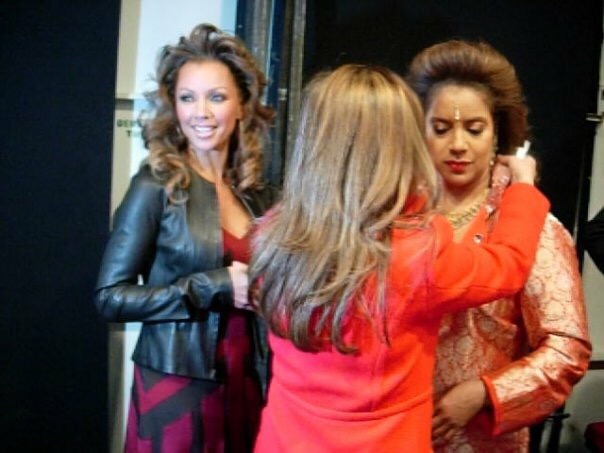
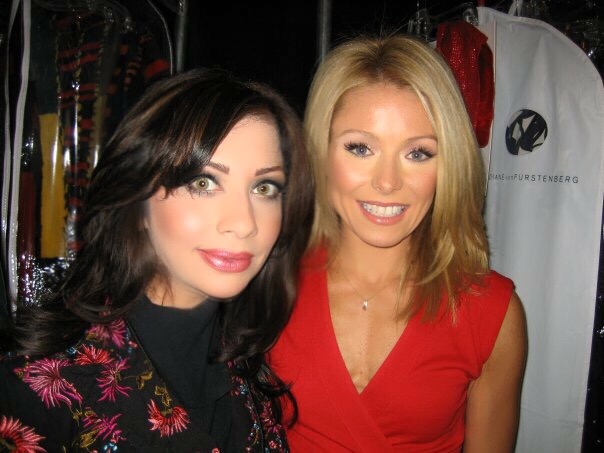
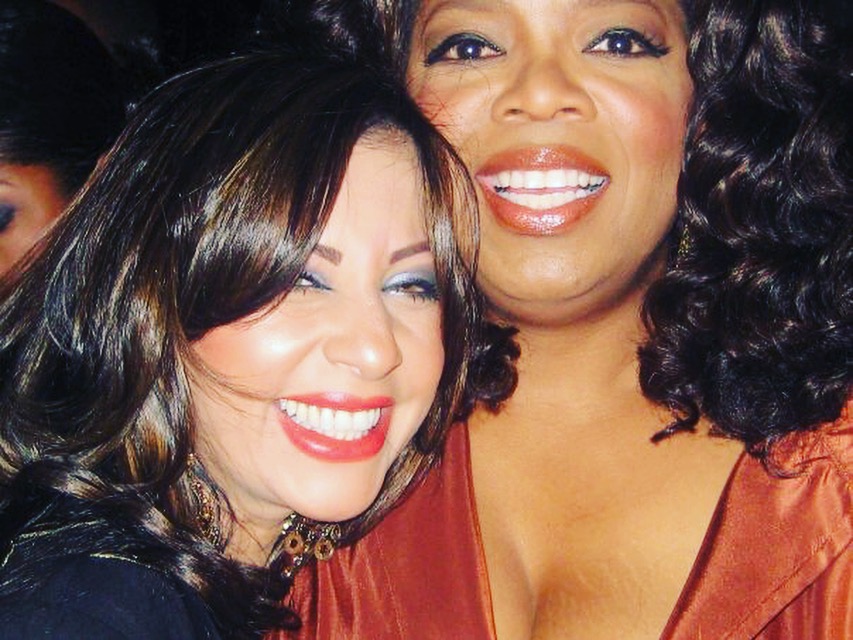
Over time, the work reached larger stages. I had the privilege of presenting my original designs at New York Fashion Week on two occasions, as well as showcasing my collections alongside some of India's most celebrated fashion designers.
These experiences introduced my work to new audiences and connected me with an international community of designers and artists whose creative journeys I admired.
Yet backstage, surrounded by the energy of the runway, I found myself thinking about the same little girl who once saw herself in a rose.
The scale had changed. The purpose had not. The House was beginning to be seen.
Over time, I was no longer searching for a design language. I had found one.
Heritage remained at its heart, but it was never about recreating the past. I became interested in how tradition could evolve through craftsmanship and a modern way of dressing.
The silhouettes became more confident. The details more intentional. The point of view clearer.
Through years of designing for women, I came to understand that true elegance is never simply about the garment. It is about the woman wearing it—her personality, her confidence, and the way she wishes to express herself.
And beneath it all was a belief that became central to my work:
A woman should never disappear inside what she wears.
The garment may be beautiful, but the woman must always remain the presence.
This became the voice of the House.
Every House is built twice—first in the imagination, then through a lifetime of intention.
Every House is built twice—first in the imagination, then through a lifetime of intention.
With time, I understood that my work was never only about clothing. It was about the values behind what we create: patience, craftsmanship, intention, and the belief that beauty should carry meaning.
It was also about honoring individuality—creating something that reflects not simply how a woman wishes to look, but who she is.
Trends pass. Technique evolves. But the values behind the work remain.
Beauty is remembered when it carries meaning.
That became the philosophy of the House.
Before the House evolved, there was the atelier.
Before the House evolved, there was the atelier.
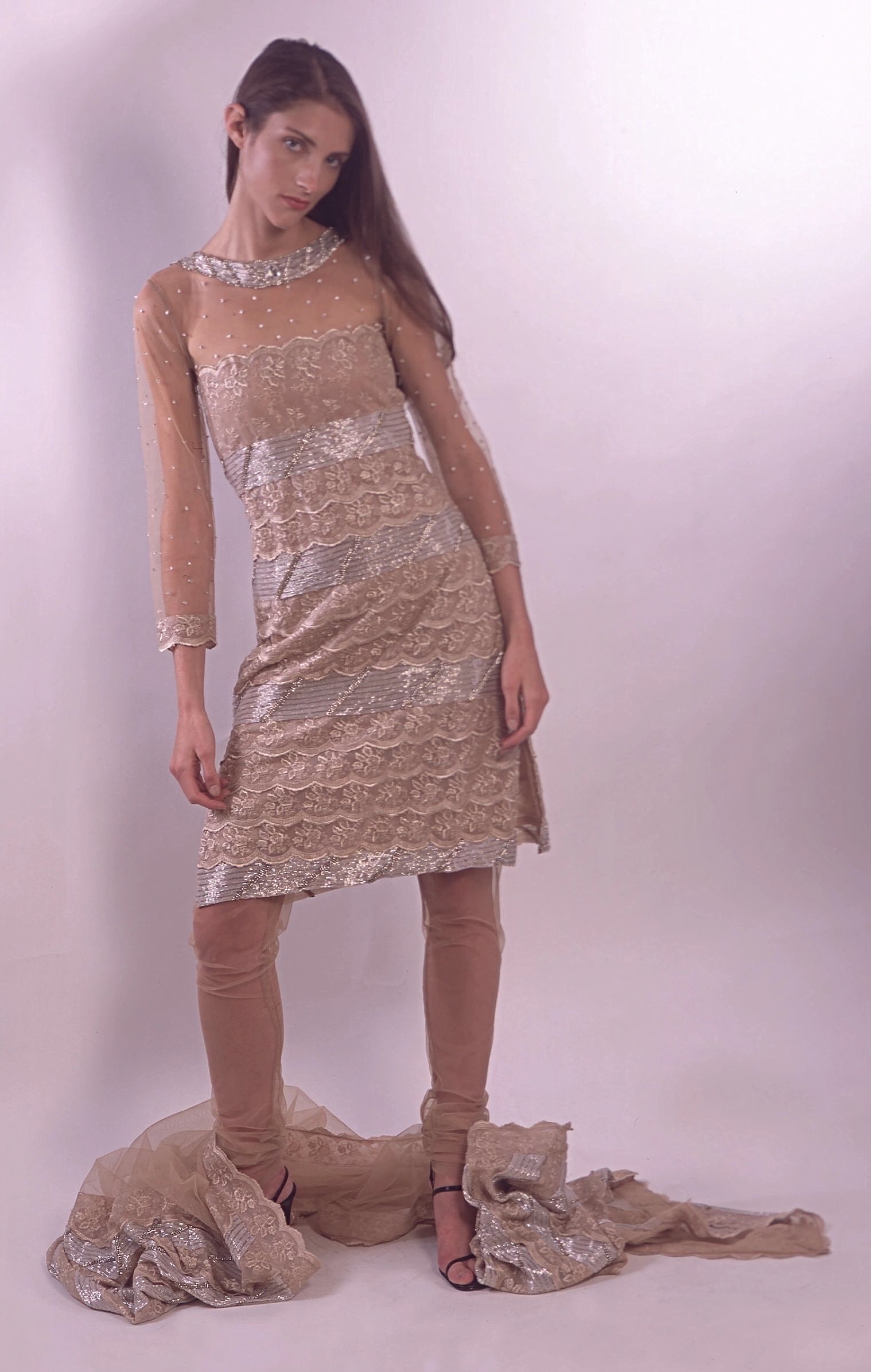
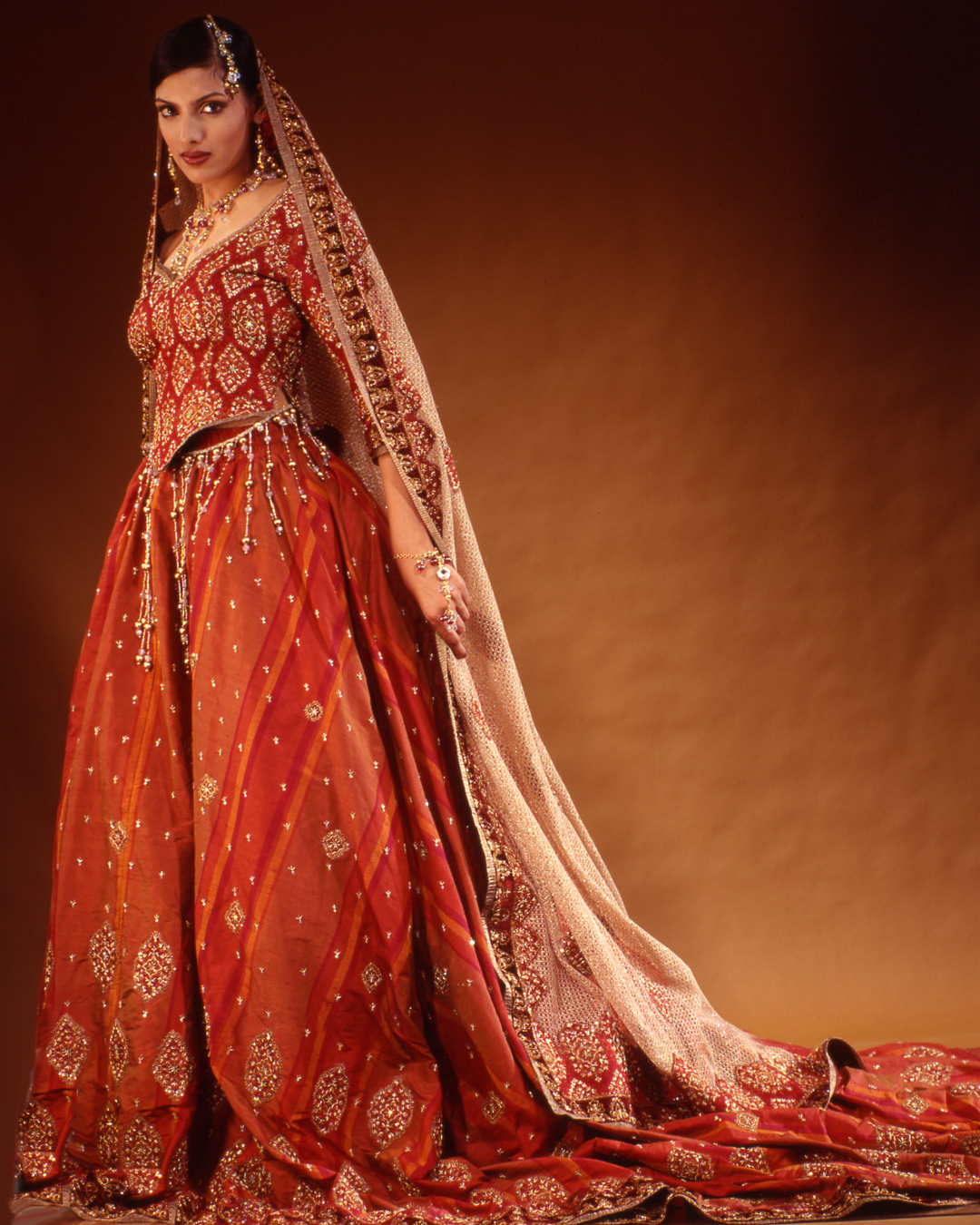
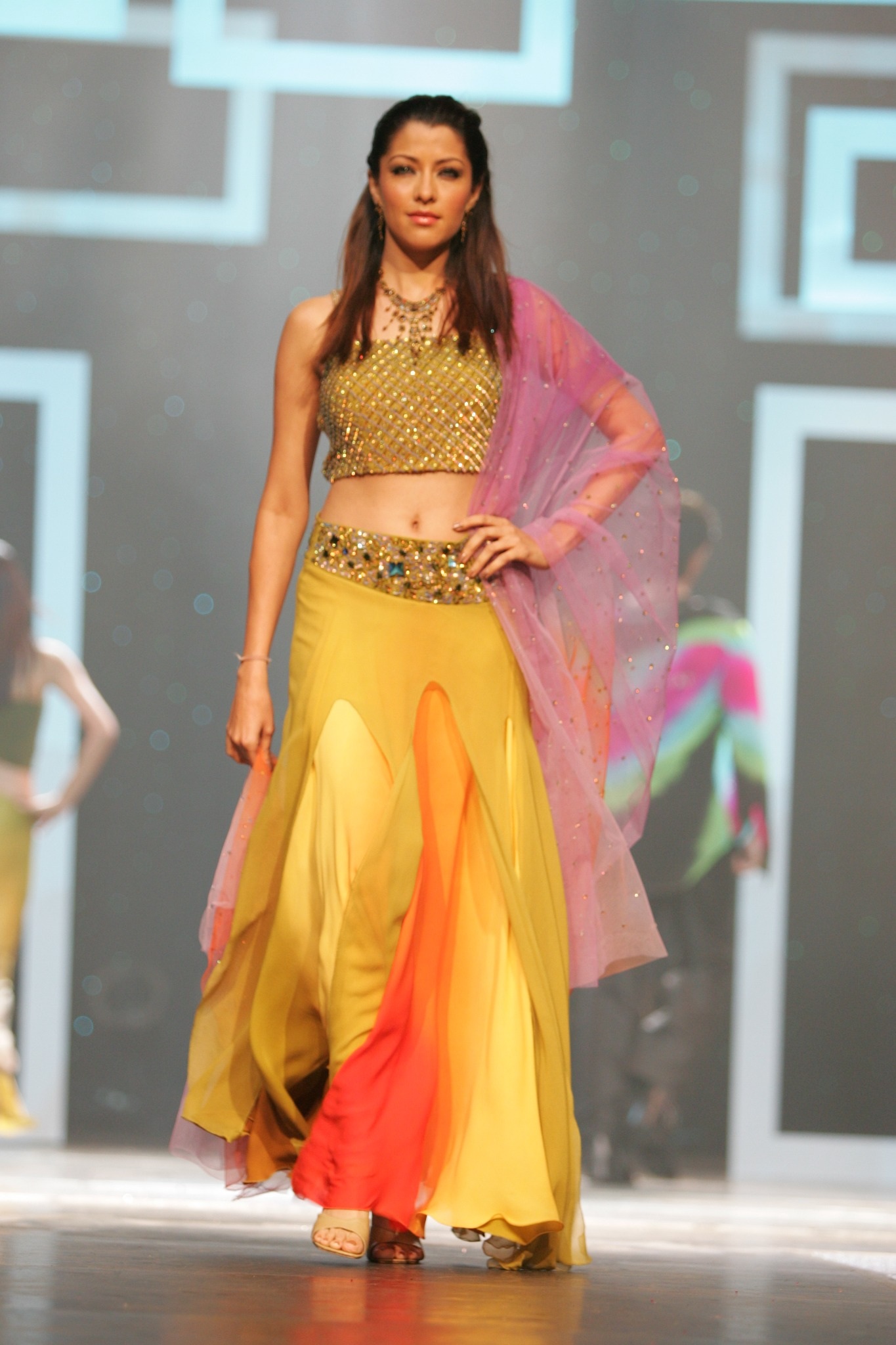
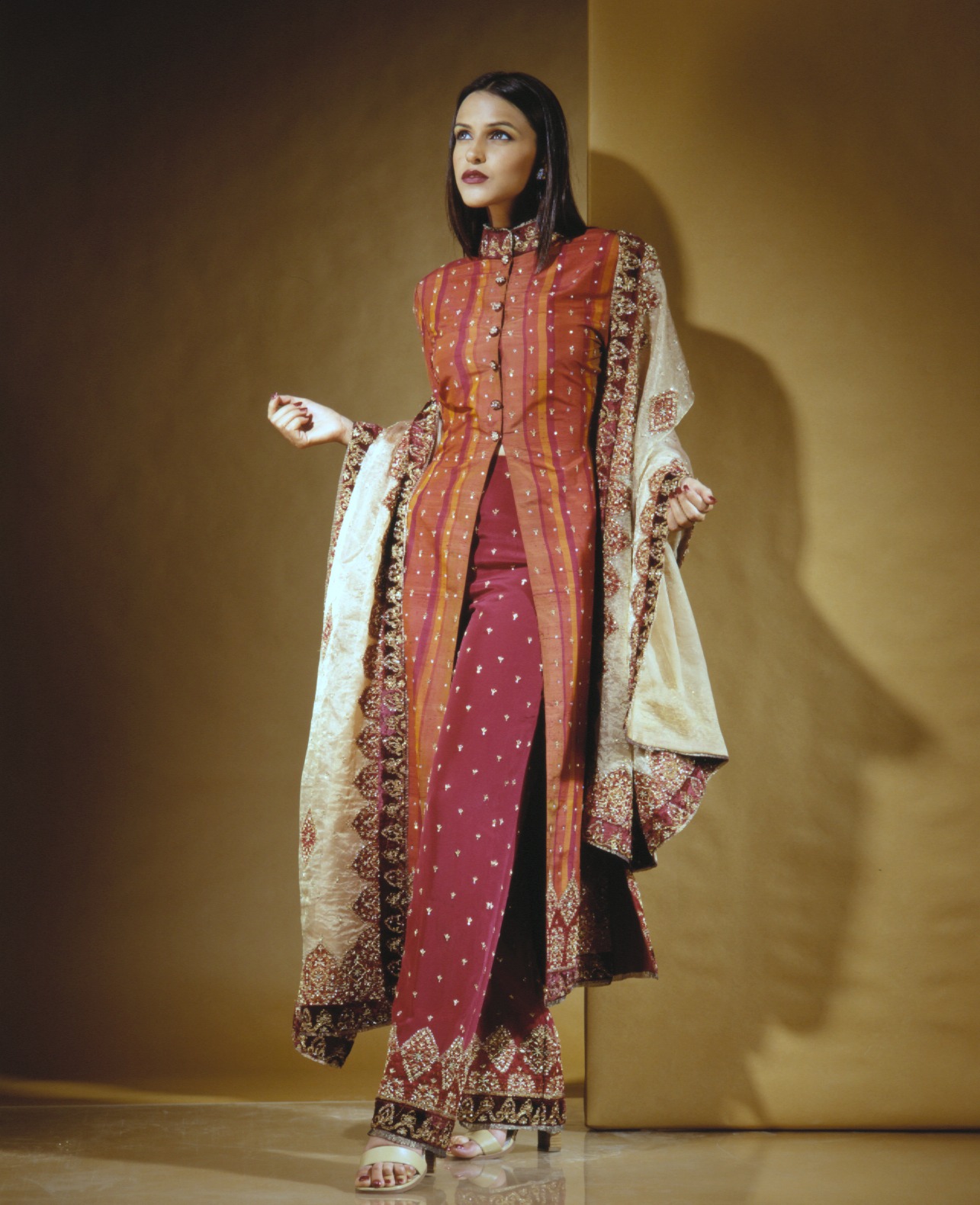
Across years of original collections, a distinctive design language began to emerge—one expressed through color, proportion, embroidery, movement, and the meeting of South Asian craftsmanship with contemporary form.
The House today does not begin again. It continues.
These archival photographs document the original garments and collections that helped shape the creative identity of Alia Qureshi Atelier.
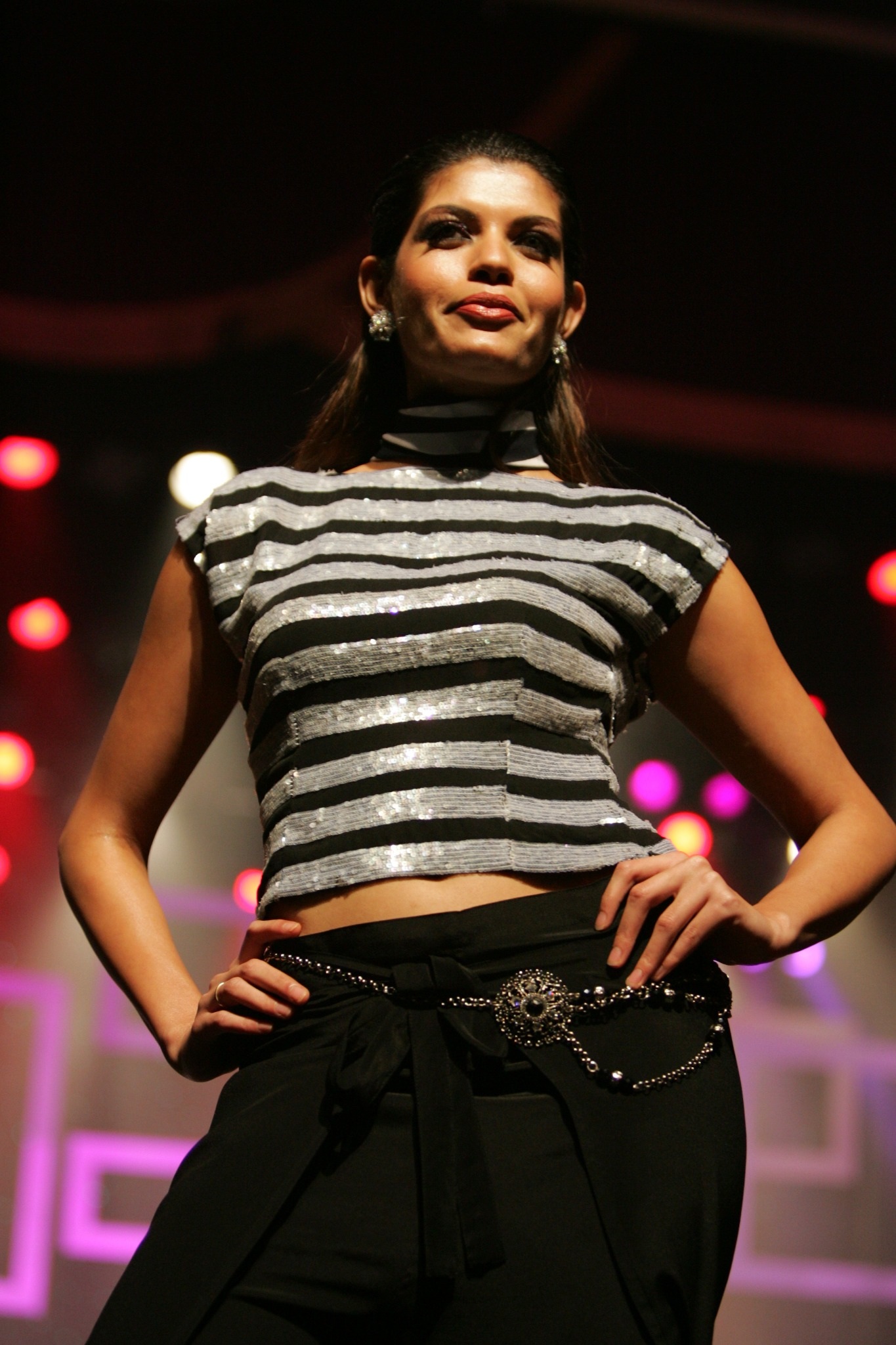
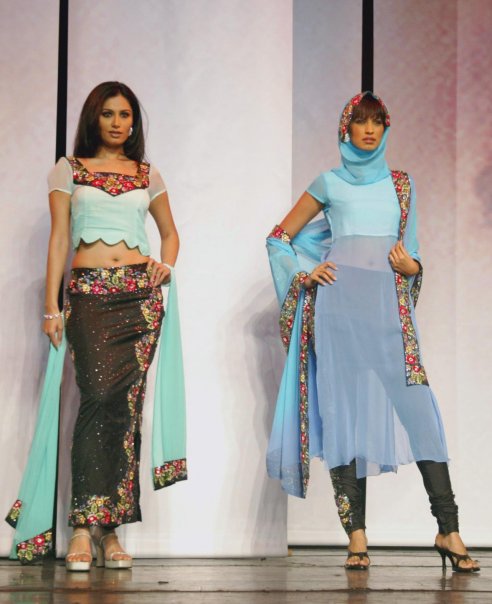
An established vision. A new language of expression.
For decades, my creative journey has been shaped by an enduring fascination with beauty, craftsmanship, and the possibilities of design.
From my early studies at the Fashion Institute of Technology in New York to creating original couture collections and presenting my work on international runways, each chapter has contributed to the design language that defines my work today.
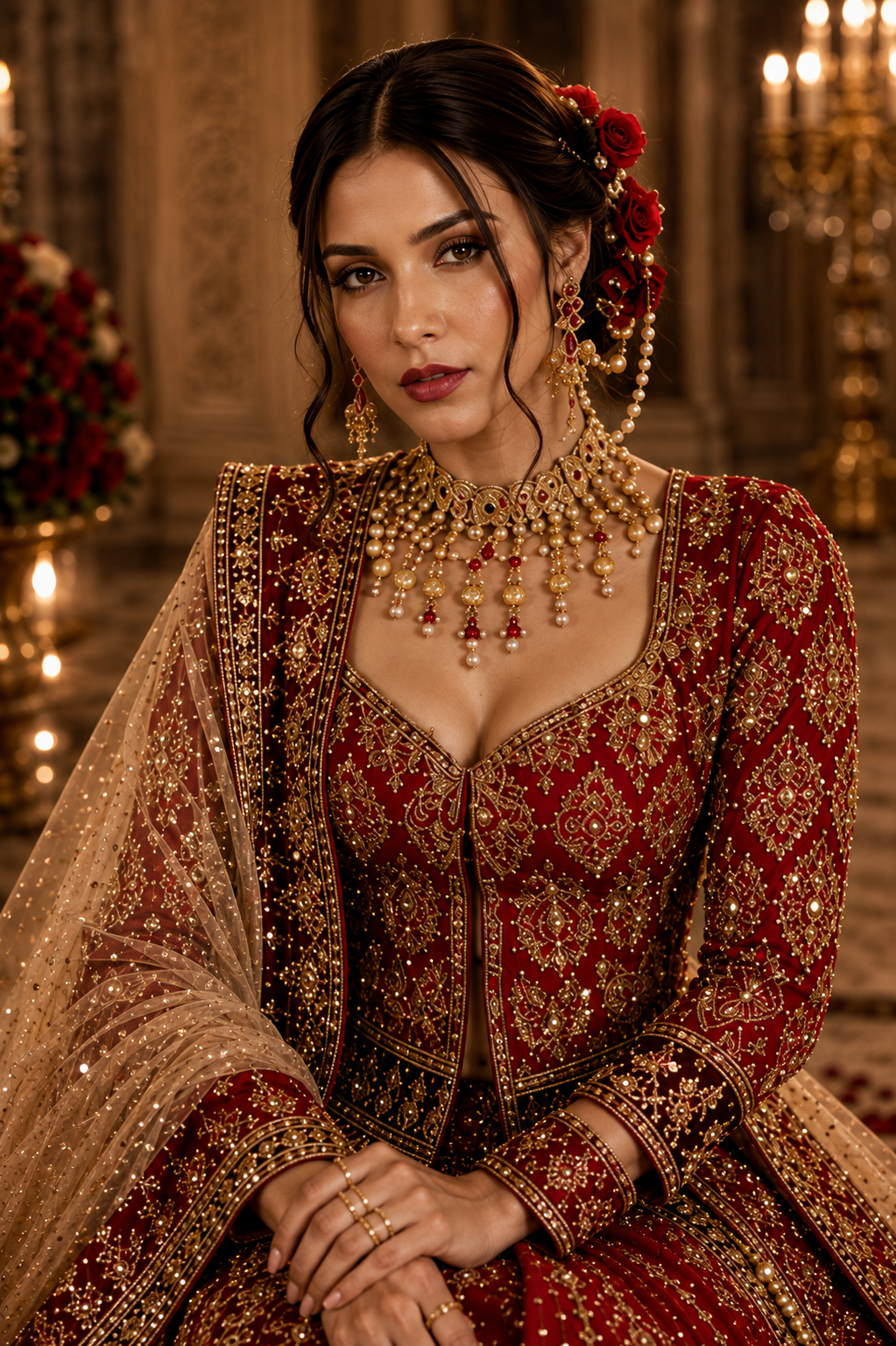
Today, I embrace a new dimension of artistic expression through digital and AI-assisted imagery. These tools allow me to revisit archival creations, reinterpret original designs, and explore visual narratives beyond the traditional boundaries of fashion photography.
The technology may be new, but the creative vision is not.
Each editorial is guided by my design perspective, informed by years of experience, and rooted in the aesthetic language I have developed throughout my career.
Some images reinterpret garments I originally designed and created. Others visualize concepts that may not yet exist as physical couture.
The vision remains my own. The possibilities continue to evolve.
A moment of ceremony, shaped through craftsmanship.
A moment of ceremony, shaped through craftsmanship.
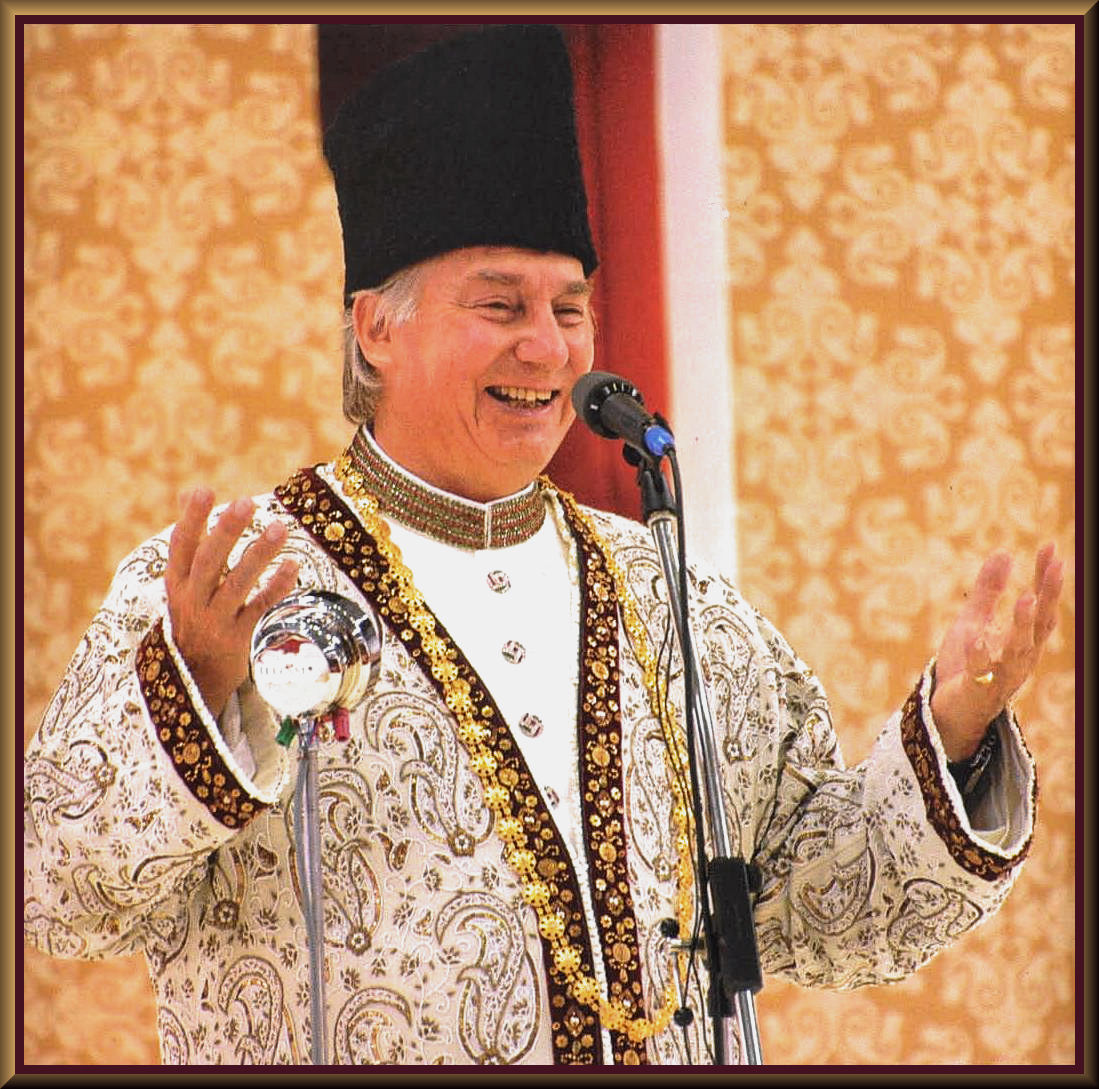
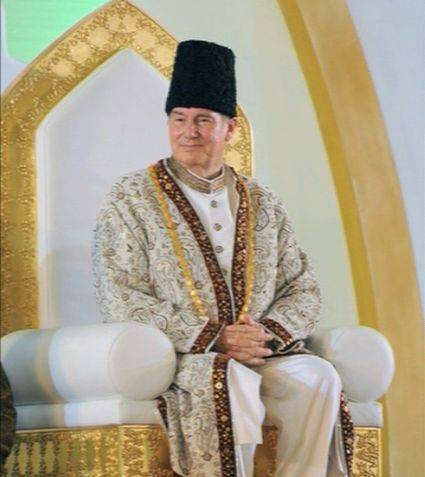
Among the most distinguished commissions of my design career was a ceremonial gown created in honor of the Golden Jubilee of His Highness Prince Karim Aga Khan.
Rendered in ivory and gold, with intricate ornamental detailing and richly jeweled borders, the design reflected a meeting of tradition, artistry, and ceremonial elegance.
It was a moment that brought together the craftsmanship I had cultivated over the years and the profound meaning that clothing can carry on occasions of historical significance.
The truest Houses are not built for a season. They are built to outlive it.
The truest Houses are not built for a season. They are built to outlive it.
Years pass. Collections evolve. Life changes.
But the desire to create remains.
Today, Alia Qureshi Atelier carries forward everything that came before: the early sketches, the original collections, the craftsmanship, and the belief that beauty should carry meaning.
Rooted in decades of experience, the House continues to evolve, honoring its history while embracing new possibilities for creative expression.
What began as a little girl's instinct to create has become a lifetime of design.
And the story is still being written.
Every collection.
Every editorial.
Every woman.
Every story.
Together, they shape the House.

Every collection begins with a story. Every story becomes part of the House.

